Skip to content


Table of Contents
Both treatments improve skin quality, and both are minimally invasive injectable options, so the choice comes down to what your skin actually needs. At Bella NYC Aesthetics, patients searching for PRP Facial Manhasset NY usually arrive with the same question: which one delivers better results for hydration, texture, and collagen?
The short version is that these two work through completely different mechanisms, which is why one tends to outperform the other depending on your concern.
How do you know which treatment your skin needs?
The decision usually comes down to your main complaint. Dryness and dullness point toward a skinbooster, while uneven texture and loss of firmness point toward PRP.
The Real Difference Between a PRP Facial and Skinbooster
The PRP Facial vs Skinbooster comparison starts with what each treatment introduces to your skin. A PRP facial uses platelets concentrated from a small sample of your own blood, applied topically or injected to signal repair activity in the tissue. A skinbooster treatment, offered here as Skinvive™, places hyaluronic acid into the dermis to hold moisture rather than add volume the way a dermal filler does.
One prompts a response from your skin. The other supplies something your skin then uses. It is worth noting that platelet-rich plasma is used off-label for facial rejuvenation, meaning the evidence base is still developing even though many clients respond well.
Which Treatment Does More for Hydration
Skinbooster is the more direct answer for skin hydration. Hyaluronic acid attracts and binds water within the dermis, which is why hydration improvements tend to show up first and most noticeably with this option.
PRP does not deliver hydration itself. Improved overall skin quality can leave skin feeling less tight over time, though that is a secondary effect rather than the point of the treatment. If your skin looks dull or flat despite a consistent skincare routine, a skinbooster is usually the better starting point. It can also be used beyond the face, including the neck, chest, and hands.
Which Treatment Does More for Skin Texture
Texture is where the two treatments sit closest together, because both improve it through different routes. Skinbooster smooths by hydrating and plumping from within, which softens fine surface roughness and crepey-looking areas. PRP smooths by supporting repair and cell turnover, which suits uneven texture tied to acne scarring or pores that look enlarged.
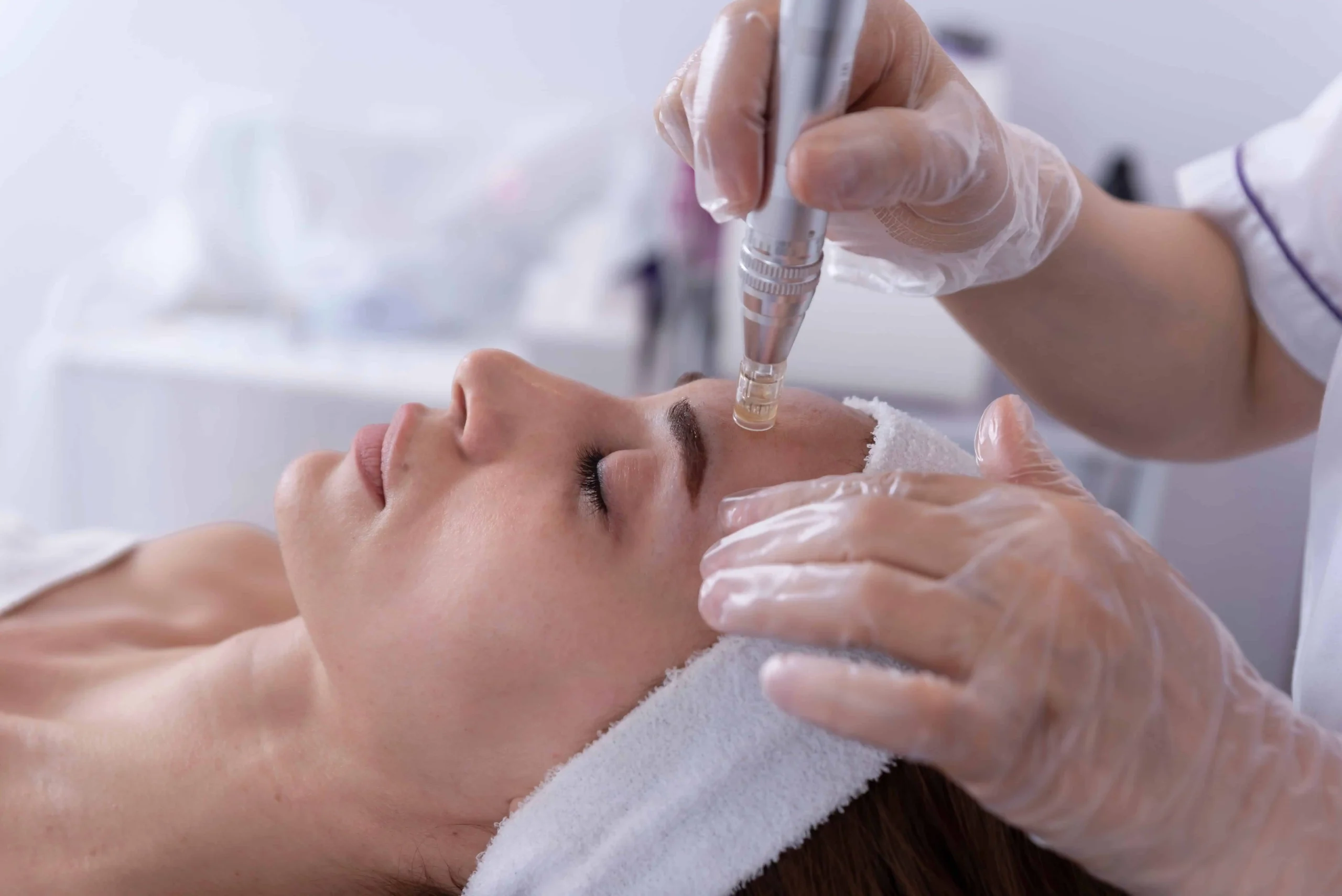
Most clients see gradual refinement rather than a sudden change, and individual results vary based on skin condition, age, and how many sessions are completed. Pairing PRP with microneedling is common when texture is the primary concern, since the micro-channels help the plasma reach deeper layers.
Which Treatment Does More for Collagen
PRP is the clearer choice for collagen stimulation. Growth factors concentrated in the platelets signal the skin to increase collagen activity, which supports firmness and elasticity over time rather than immediately.
Skinbooster improves skin quality and elasticity, but it is not primarily a collagen-building treatment. Because collagen changes develop slowly, expect several weeks before firmness-related changes become apparent, compared with the faster hydration response from a skinbooster. Again, this aesthetic use of PRP falls outside its FDA-cleared indications, so realistic expectations are part of the conversation.
What Each Appointment Involves and How Soon You See Results
A PRP facial takes roughly 45 to 60 minutes and begins with a small blood draw. The sample is spun to separate the platelet-rich portion, which is then applied or injected into the treatment areas. Some clients notice a fresher look within a few days, with collagen-related changes building over the following weeks.
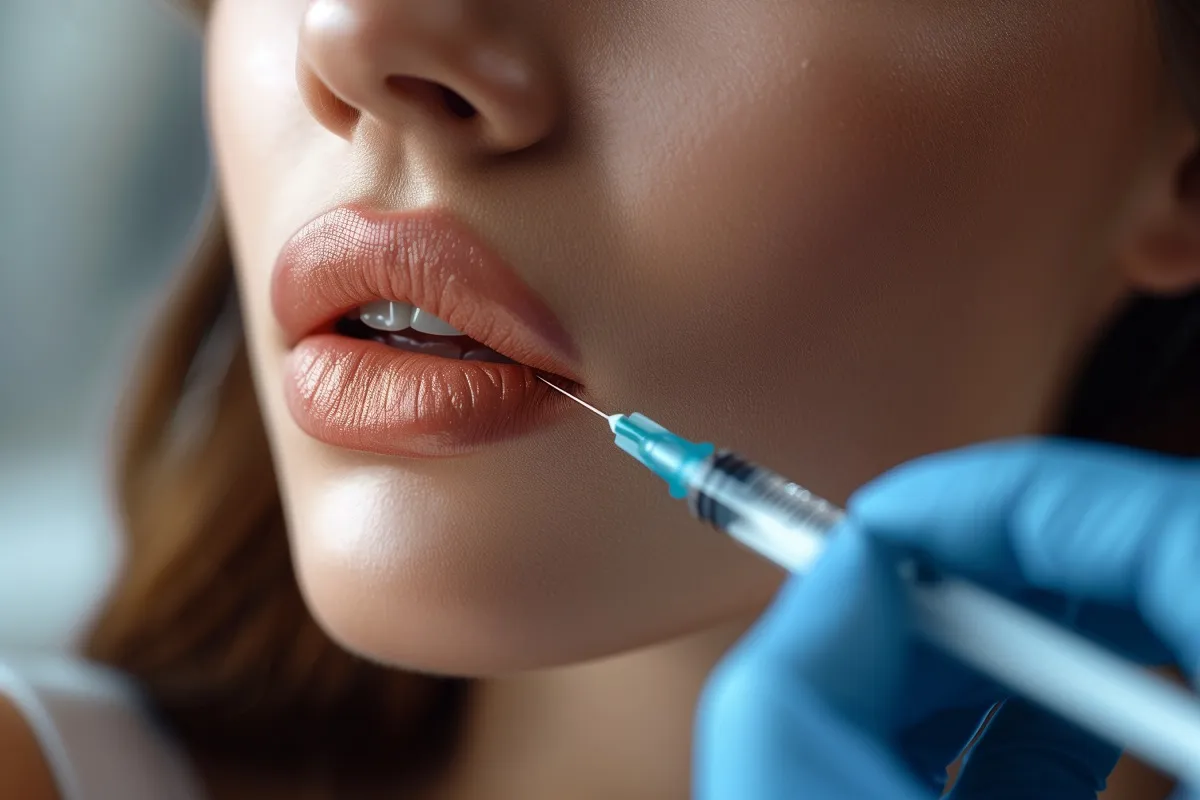
A skinbooster appointment runs closer to 30 to 45 minutes. Numbing cream is applied first, then hyaluronic acid is delivered through microneedle injections. Many clients notice improved hydration and smoothness within about a week.
Both treatments involve short-lived redness, mild swelling, or tightness, and both ask you to avoid intense heat, exercise, and direct sun for the first 24 hours. Each is done as a short series of sessions spaced a few weeks apart, with periodic maintenance afterward.
How to Choose Between Them Based on Your Skin
Use your main complaint as the deciding factor:
- Choose a skinbooster if your skin feels dry, looks dull, or has lost its glow
- Choose a PRP facial if your concern is texture, acne scarring, or skin that has lost firmness
During a consultation, a provider assesses your skin condition, your goals, your timeline, and your medical history before recommending either. Neither treatment suits everyone, and certain medications, health conditions, or skin concerns may point toward a different approach entirely.
When Doing Both Makes More Sense Than Choosing One
Hydration and collagen loss are separate problems, and plenty of people have both. In those cases, sequencing the two treatments often makes more sense than picking a winner. A provider may recommend starting with the treatment that addresses your most pressing concern, then layering the other in once your skin has settled.
Reviewing what a PRP facial addresses alongside what a Skinbooster treatment offers is a reasonable place to begin, though the combination question is best answered in person.
Common Questions About PRP Facials and Skinboosters
Does either treatment hurt? Discomfort is typically mild. Numbing cream is used with skinboosters, and most clients tolerate PRP well.
Can I have PRP if I have a blood-related condition? That depends on your specific diagnosis and medications, which our provider will review before recommending treatment.
Can either be done before an event? Both are better scheduled at least two weeks ahead, since temporary redness or swelling is common.
Which one suits someone in their late twenties versus late forties? Younger skin more often benefits from hydration support, while collagen-focused treatment tends to become more relevant with age.
Talk Through Your Options With a Provider in Manhasset
Skinbooster wins on hydration, PRP wins on collagen, and texture depends on what is driving it. The most reliable next step is having your skin assessed rather than choosing from a comparison alone. Our Team at Bella NYC Aesthetics will walk you through both options and recommend the skin rejuvenation approach that fits your skin. Book Your Skin Rejuvenation Consultation Today.